
The Patchouli oil market is currently entering a bullish phase. At Taru Wangi, we believe in providing a transparent look at the factors driving this shift. Current dynamics are not just about supply and demand, they are the result of a “causal chain” that started months ago.
1. The “Domino Effect” from 2025
The current shortage is a direct result of low market prices seen late last year:
- The Disincentive: Low prices in 2025 discouraged many farmers from replanting.
- Reduced Acreage: As growers pivoted to other crops, the total planting area across Indonesia shrunk significantly, leading to the lean inventories we see today.
2. Agricultural Pressures: Heat & High Costs
The crops currently in the ground are facing a “double hit”:
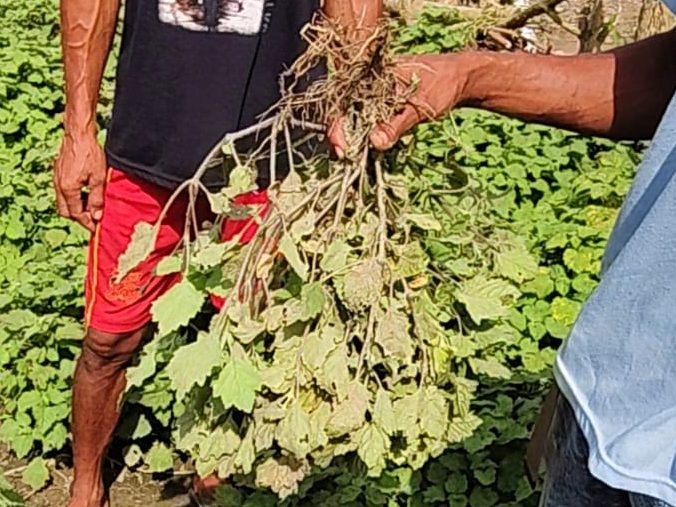
- Stunted Growth: Prolonged extreme heat and lack of rain have prevented plants from reaching their full potential, reducing the total biomass yield.
- Fertilizer Inflation: Due to global conflicts, fertilizer prices remain high. This has raised the basic operational cost for every hectare of patchouli cultivated.
3. Rising Downstream & Logistic Costs
Beyond the farm, the cost of bringing oil to the global market has shifted:
- Local Fuel Prices: Rising fuel costs in Indonesia have directly increased the expense of transporting raw materials from remote areas to processing centers.
- Processing Inputs: The cost of essential chemicals used in refining, as well as packaging materials like steel drums, continues to trend upward.
The 2026 Outlook
We anticipate that inventory levels will remain tight for the remainder of the year. The combination of reduced planting, climate stress, and rising logistics costs suggests a sustained period of higher floor prices.
Our Commitment: Despite these shifts, TARUWANGI remains a stable partner. We continue to prioritize technical integrity, ensuring every batch meets our strict standards.