
Technical and Commercial Optimization: Integrating Patchouli Terpenes into Modern F&F Formulations
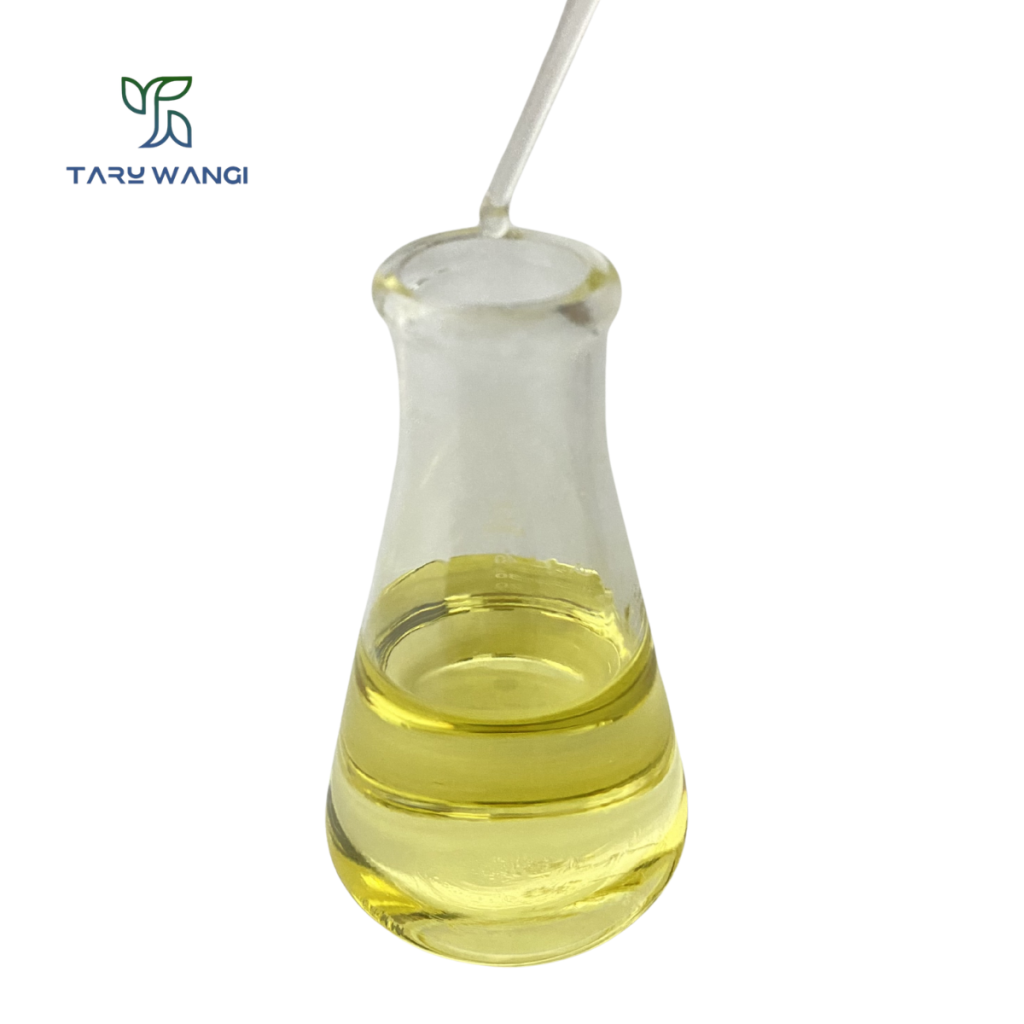
In industrial molecular distillation, the commercial focus traditionally centers on maximizing the yield of high-purity Patchouli Alcohol (PA) fractions. Consequently, the lighter stream exiting the column, testing at a PA content of under 5% is frequently classified as a low-value byproduct. At Taru Wangi, we challenge this evaluation. From the perspective of Research & Development […]
Where Patchouli Traceability Actually Breaks Down: A View from the Field

Have you ever wondered if the “traceable” label on your patchouli oil truly tells the whole story? A 2026 study on the patchouli supply chain in Aceh, Indonesia, revealed a reality that most international buyers rarely see. The most significant gaps in transparency don’t happen at the export docks or during shipping, they happen at […]
We Left Patchouli Leaves to Air-Dry for 14 Days. Here’s What We Discovered.
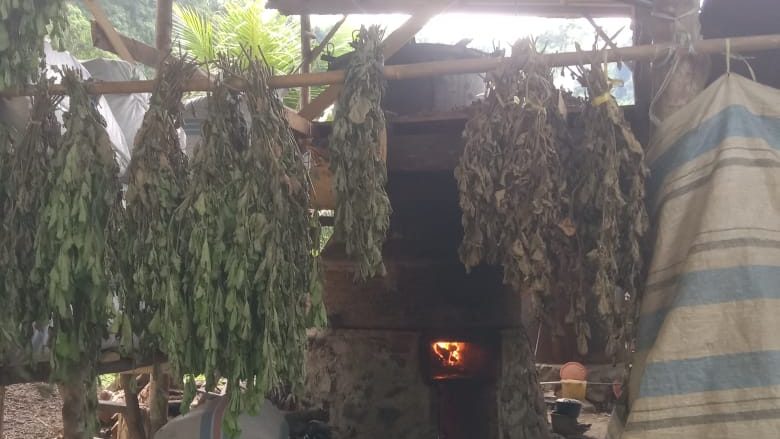
Most people believe all patchouli oil is created equal. However, recent scientific evidence suggests that the secret to premium quality isn’t just where the plant is grown, it’s what happens after the harvest. A 2022 study analyzed patchouli leaves at three different stages: fresh, 7 days dried, and 14 days dried. The verdict? The 14-day […]
Navigating the Bullish Patchouli Market: From Upstream Acreage to Downstream Logistics
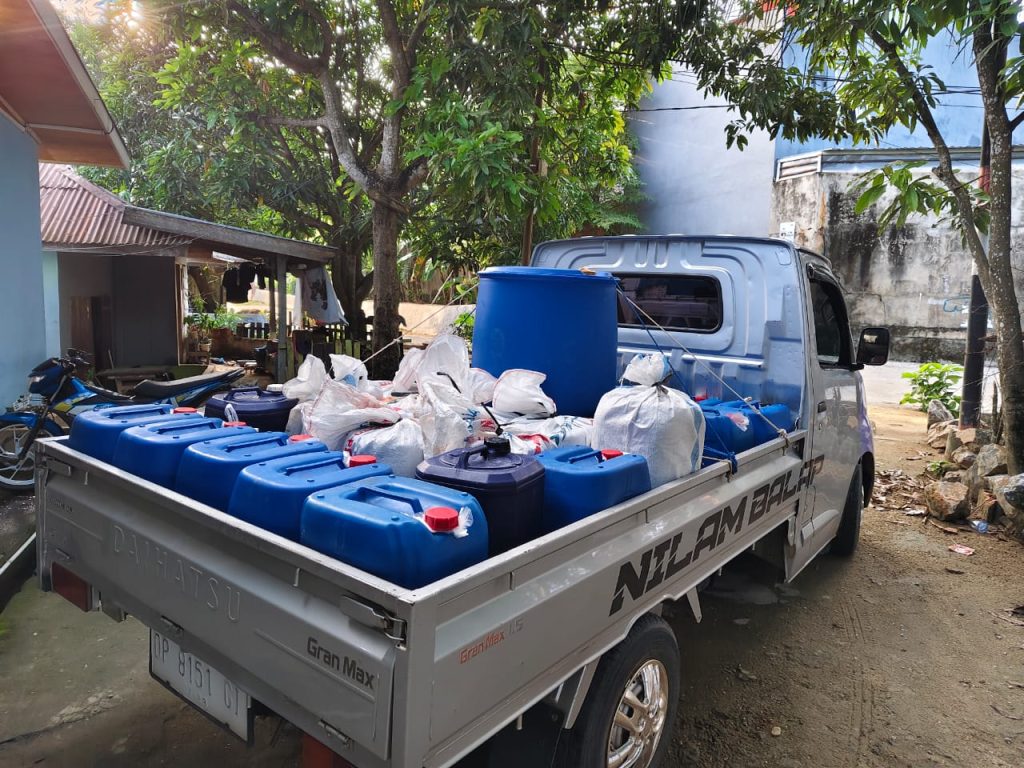
The Patchouli oil market is currently entering a bullish phase. At Taru Wangi, we believe in providing a transparent look at the factors driving this shift. Current dynamics are not just about supply and demand, they are the result of a “causal chain” that started months ago. 1. The “Domino Effect” from 2025 The current […]
Earth Day 2026: How Taruwangi is Redefining Sustainable Patchouli Oil

On April 22nd, 2026, the world celebrated Earth Day under the theme “Our Power, Our Planet.” At Taru Wangi, we marked this day by showcasing our commitment to a regenerative supply chain. As a leading supplier of premium essential oils, we believe our power lies in innovation that restores the Earth. Here is how we […]
Navigating the Surge: How to Manage Margins Amidst the 2026 Freight Crisis
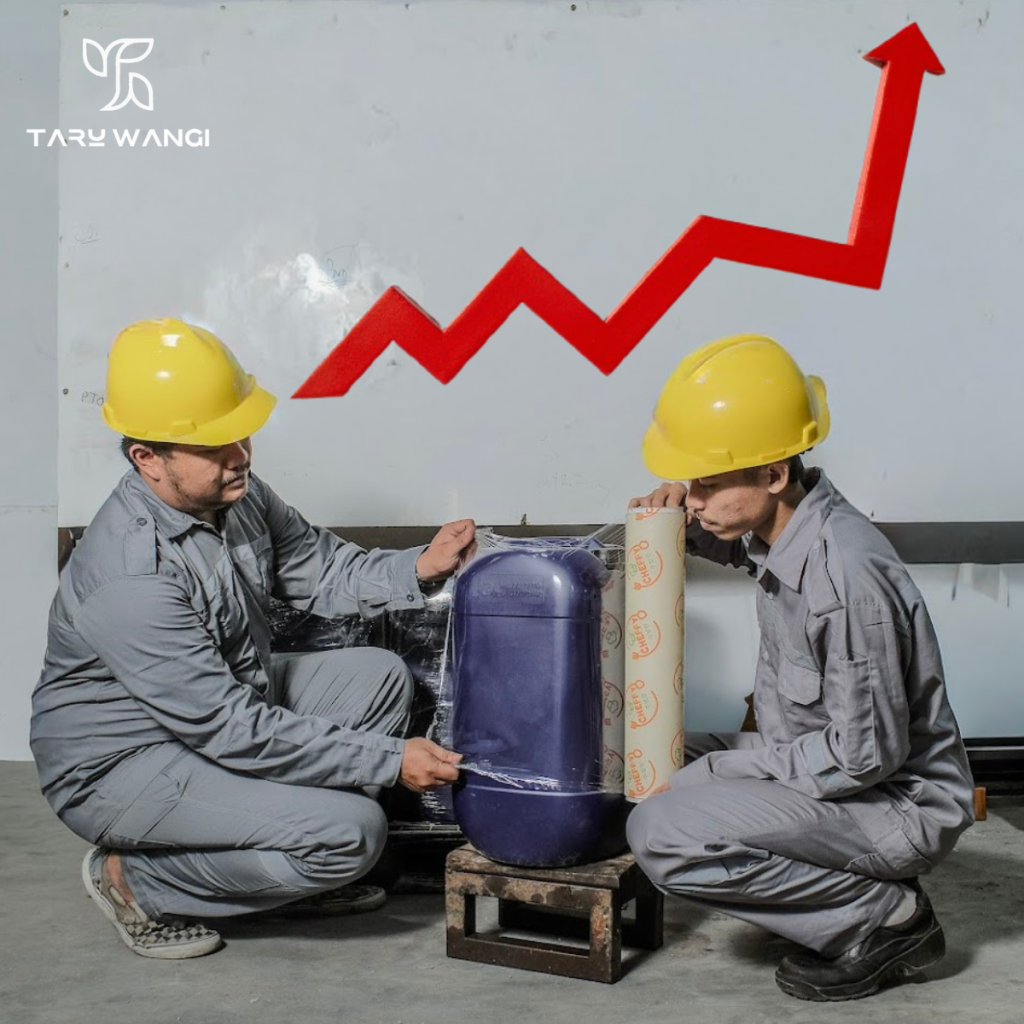
Let’s be candid: in the current climate, shipping costs are no longer just a line item on an invoice, they have become a primary variable dictated by global volatility. With air freight rates surging by 75% and “War-Risk” surcharges becoming the new baseline for sea routes, the “business as usual” approach is no longer sustainable. […]
Sulawesi Patchouli Report 2026: Impact of El Niño Onset on Global Supply
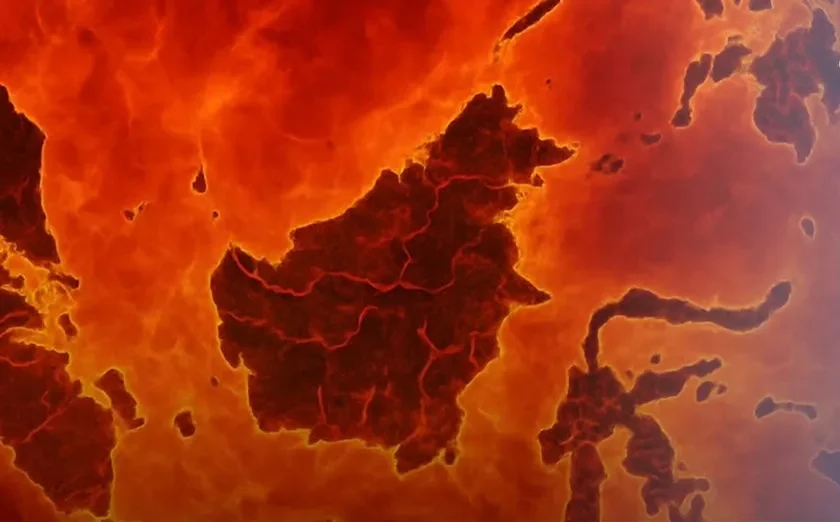
As of April 2026, climate models confirm the onset of a “Godzilla” El Niño, a super climate event marked by extreme sea surface warming in the Pacific. Combined with a Positive Indian Ocean Dipole (IOD), this phenomenon significantly reduces cloud formation over Indonesia, leading to a prolonged and much drier-than-average dry season. At Taru Wangi, […]
Beyond the Amber: Why Your Patchouli Doesn’t Have to Be Dark
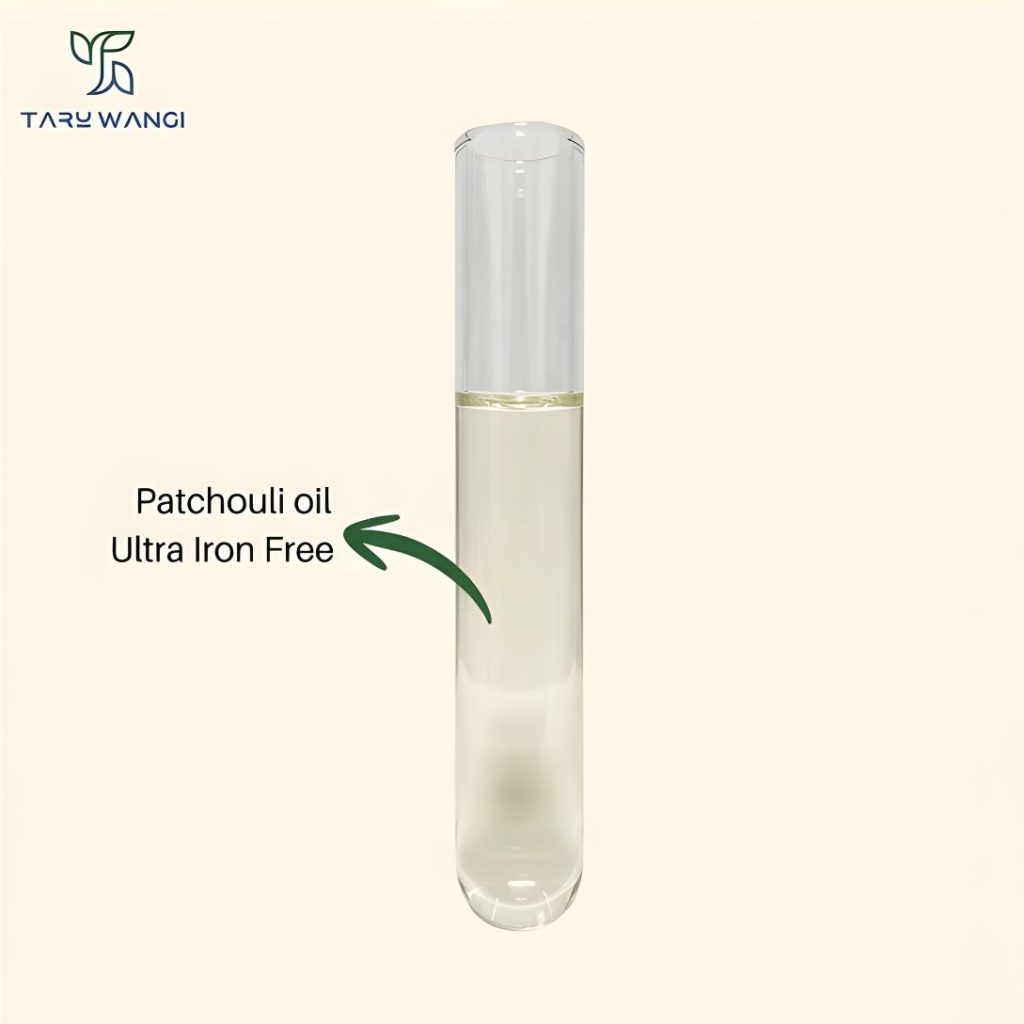
In the world of high-end perfumery and skincare, Patchouli is legendary. It’s the anchor, the fixative, and the soul of countless iconic scents. But for many R&D managers and formulators, it’s also a source of frustration. Why? Because traditional Patchouli is dark, heavy, and—frankly—messy for modern aesthetics. The “Iron Trap” in Traditional Distillation Most people […]
The Supply Chain Fingerprint: Why Acid Value is the Ultimate Proof of Disciplined Sourcing

In the world of fragrance and cosmetic formulation, a Certificate of Analysis (COA) is the standard map for quality. However, most eyes skip straight to the Patchoulol content. While that number defines the strength of the oil, there is a “silent” metric that determines its soul and survival: Acid Value (AV). The Science: What is […]
Understanding AMF: Taru Wangi’s Secret to Sustainable Patchouli Success

Indonesian patchouli production has faced a challenging decline, driven by deteriorating soil fertility and a heavy reliance on chemical fertilizers. At Taru Wangi, we realized that to secure the future of essential oils, we had to look beneath the surface. The answer lies in a powerful, natural partnership between the earth and the plant: AMF. […]