
In industrial molecular distillation, the commercial focus traditionally centers on maximizing the yield of high-purity Patchouli Alcohol (PA) fractions. Consequently, the lighter stream exiting the column, testing at a PA content of under 5% is frequently classified as a low-value byproduct.
At Taru Wangi, we challenge this evaluation. From the perspective of Research & Development (R&D) and Strategic Procurement, this terpene-rich fraction (predominantly Alpha-Guaiene and Bulnesene) represents a highly functional, cost-effective tool designed to solve specific formulation and budgetary challenges.
1. The R&D Perspective: Solving Rheological and Sensory Challenges
For R&D chemists, high-PA patchouli oils present physical limitations due to their high molecular weight, heavy viscosity, and fixative nature. Patchouli terpenes offer a low-viscosity alternative that introduces distinct technical advantages:
- Natural Rheology Modifier (The Viscosity Solution): High-purity botanical extractions are often thick and stubborn to process. Patchouli terpenes exhibit a water-like fluidity. They function as an excellent natural solvent and thinning agent, allowing formulators to adjust viscosity in complex botanical blends without resorting to synthetic carriers like Dipropylene Glycol (DPG).
- Kinetic Olfactive Volatility: While PA crystals provide the slow-evaporating, balsamic base note, they lack immediate impact. Terpenes possess a lower boiling point and higher vapor pressure, allowing them to volatilize rapidly upon application. This creates a sharp, vibrant “damp forest” top-to-heart bridge that enhances the initial volatile profile of the fragrance.
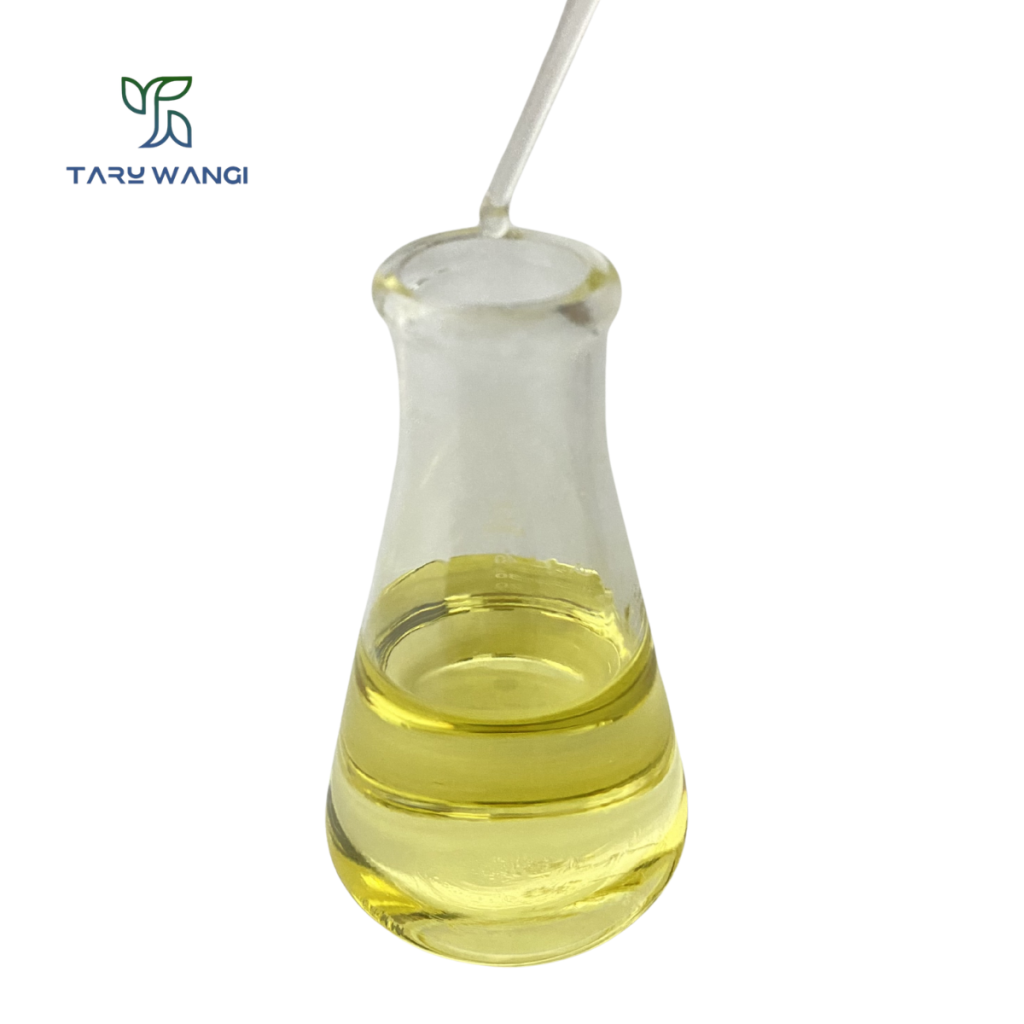
- Compatibility in Clear Formulations: Due to the extensive processing via fractional distillation, patchouli terpenes exhibit a clear golden hue and low refractive index, making them highly compatible with transparent cosmetic matrices without causing turbidity or separation.
2. The Procurement Perspective: Cost-to-Impact Optimization and Risk Management
For procurement managers balancing strict cost-in-use targets with strict quality parameters, patchouli terpenes serve as an elegant cost-optimization tool:
- Strategic Cost-to-Impact Ratio: Dosing high-PA oil into rinse-off applications—such as premium liquid soaps, shampoos, or fabric care—is commercially inefficient, as the heavy fixative molecules are instantly washed away. Terpenes deliver the authentic, natural patchouli olfactory signature at a fraction of the cost, making large-scale manufacturing economically viable.
- Securing Clean-Label and Regulatory Compliance: As global regulatory bodies tighten restrictions on synthetic solvents, maintaining a 100% Natural Botanical ingredient list is paramount. Utilizing patchouli terpenes as a functional component allows brands to preserve natural claims seamlessly while optimizing the raw material budget.
- Supply Chain Circularity: Sourcing terpenes aligns with sustainable procurement goals and circular economy principles. By utilizing the entire distillation spectrum of the Pogostemon cablin plant, we maximize resource efficiency and reduce industrial waste.
Bridging Science and Strategy
True raw material innovation is not merely about chasing the highest active percentage on a Certificate of Analysis (CoA). It is about deconstructing the botanical matrix to allocate the right fraction to the right application.
Patchouli terpenes are not a compromise in quality; they are a strategic asset. They provide R&D with a nimble technical tool for fluid formulations and offer Procurement a reliable lever to shield margins without sacrificing natural authenticity.