
A Certificate of Analysis (COA) is one of the first documents buyers request when sourcing patchouli oil. It provides valuable information about the product, helping buyers confirm whether the oil meets their technical requirements. But a COA has its limits.
It cannot tell you how consistently a supplier performs from one batch to the next. It cannot describe the character of the aroma, explain how the oil was handled before shipment, or reflect the reliability of the supply chain behind it. For experienced buyers, those are often the factors that determine whether a supplier becomes a long-term partner.
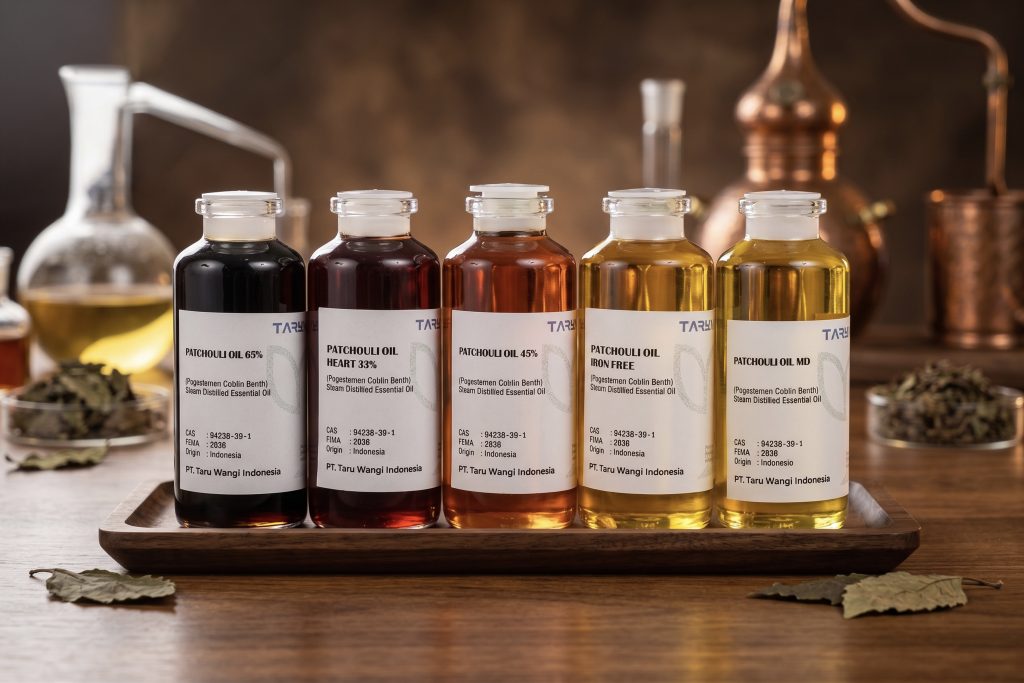
A Good Patchouli Oil Is More Than a Set of Numbers
Patchouli Alcohol (PA), specific gravity, refractive index, and other analytical values all play an important role in quality assessment. They provide measurable data and help establish technical specifications.
However, essential oils are natural materials. Two batches can meet the same specification while still presenting subtle differences in aroma.
This is one reason why many fragrance houses combine laboratory analysis with organoleptic evaluation. Numbers provide confidence, but the final decision is rarely based on numbers alone.
Consistency Is Often More Valuable Than One Exceptional Batch
Natural variation is part of working with botanical ingredients. Weather conditions, harvesting practices, and seasonal changes all influence the raw material before it even reaches the distillery.
What distinguishes a reliable supplier is not the ability to produce one outstanding batch, but the ability to deliver oils with consistent quality over time.
For manufacturers, consistency reduces the need for reformulation, simplifies quality control, and helps maintain a stable fragrance profile across production.

Understanding How the Oil Is Produced Matters
A finished drum of patchouli oil represents far more than the distillation process itself.
Questions about where the raw materials come from, how they are distilled, and how batches are managed can provide valuable insight into the overall reliability of a supplier.
While these details may not appear on a COA, they often influence product consistency and long-term supply security.
Packaging Is Part of Quality, Too
Quality control does not end when the oil passes laboratory testing.
The way an essential oil is stored and packaged also contributes to preserving its quality during transportation. Suitable packaging materials, proper handling, and careful storage help reduce the risk of contamination and protect the oil until it reaches the customer.
Although packaging is sometimes treated as a logistical detail, it is also an important part of product quality.
Choosing the Right Supplier Means Looking at the Bigger Picture
Price, technical specifications, and laboratory results will always be important when purchasing patchouli oil. But they are only part of the evaluation. The suppliers that create lasting partnerships are often those that can demonstrate consistent quality, transparent sourcing, reliable communication, and dependable delivery over time.
Looking beyond the COA allows buyers to better understand not only the oil they are purchasing, but also the supply chain behind it.